
The Impact of War on Technological Advancements and Cyber Threats
3/3/20261 min read
Understanding the Intersection of War and Technology
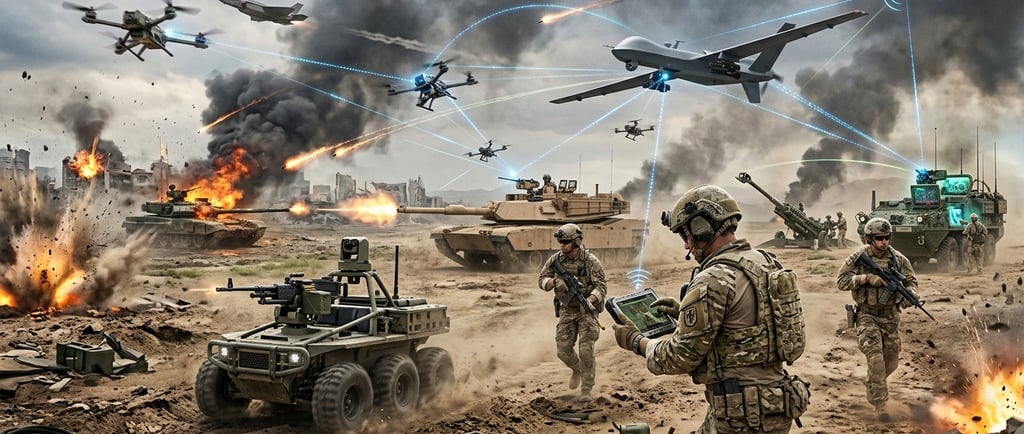
Throughout history, war has been a catalyst for technological advancements. The urgent need for better armaments, communication tools, and logistical support has resulted in innovations that often find applications beyond the battlefield. From the development of radar during World War II to the Internet's origins in military research, conflict has consistently driven technological evolution.
How War Promotes Cybersecurity and Cyber Attacks
In today's digital age, the effects of war extend into cyberspace. The rise of cyber warfare has changed how nations engage with one another. A growing reliance on digital infrastructure makes nations vulnerable to cyber attacks, which can disrupt critical services, steal sensitive information, and even influence entire economies.
Governments now invest substantially in cybersecurity measures to protect against these threats. Innovations in encryption technologies, secure communication channels, and threat detection systems are just a few examples of how warfare influences tech development. As nations become increasingly interconnected, the consequences of these conflicts are felt globally, often reverberating through civilian life and international business.
Other Threats Arising from War and Technological Implications
War seldom remains confined to traditional battlefields; it often spills into various domains, including technological threats. As countries bolster their military capabilities, emerging technologies such as artificial intelligence and autonomous weapons systems raise ethical and security concerns. The potential for unintended consequences becomes a real threat when these technologies are rapidly deployed.
Moreover, as nations push technological boundaries in wartime, they risk creating a cycle of escalation, where one nation's advancements prompt others to respond with counter-technologies. This arms race not only increases the potential for conflict but also poses risks to global stability as the boundaries between military and civilian sectors blur.
In conclusion, the relationship between war and technology is complex and multifaceted. From driving innovation in cybersecurity to raising awareness of the ethical implications of new technologies, the impacts of conflict stretch beyond immediate military objectives. Understanding these connections encourages responsible advancements that prioritize security and global collaboration.